Why Your Black Friday Planning Starts (and Ends) with Data, Creative, and CRO
13 July 2026
1
min read
.jpg)

Written by
Zoe Goodhardt
Peak retail performance is won through the continuous, compounding effects of velocity and testing.
Let’s be honest. Every year, retail and e-commerce brands promise themselves the same thing: “Next year, we’ll start planning Black Friday / Cyber Monday (BFCM) in July.” Then, calendar notifications get snoozed, everyday operations get in the way, and suddenly it’s October. You’re left staring at a frantic discounting calendar that does little more than erode your profit margins and devalue your brand positioning.
As digital practitioners, we know the reality of the current market. Consumers are incredibly cost-precious right now. They are actively holding onto their wallets and waiting for major promotional periods to splurge. If you want to be front and centre when they do, your strategy needs to be locked down long before the peak season arrives.
At TAG, we approach digital growth through a unified engine; balancing aggressive customer acquisition with a highly optimised digital experience. Here is exactly how we recommend structure-shifting your BFCM strategy across Content, Social Ads, and Conversion Rate Optimisation (CRO) to maximise growth without sacrificing your margins.
1. Content Strategy: The 8 - 12 Week Lead-Up
If your content plan for Black Friday starts on the week of the sale, you have already lost the battle for attention. The secret to a highly efficient peak period is aggressive database growth and audience warm-up before the madness begins.
The Play: High-Velocity Competitions & Secondary Incentives
Instead of relying strictly on static brand imagery, deploy an engaging, behavior-driven competition framework 8 to 12 weeks prior to your launch.
- The First Layer (Database Growth): Keep the initial barrier to entry low. Collect a first name, email address, and an optional mobile number. To capture higher-value subscribers, leverage viral referral mechanics;like a "Refer a Friend to Win a $1,000 Voucher" sweepstakes. Because it's a referral, you land much higher-value subscribers.
- The Second Layer (Behaviour Incentives): Use software like ViralSweep to immediately push entrants to a secondary action page. Reward them with additional contest entries if they follow your socials, share the link with family, or perform a micro-conversion (e.g., "Here’s a 10% discount code for 100 extra entries;make a purchase now").
- The Consolation Prize EDM: This is where the magic happens. Announce the competition winner via a dedicated email campaign to the full database. Competition winner emails historically net the highest open rates because everyone is secretly hoping they won. You then beautifully pivot the messaging, framing your BFCM sale as the ultimate "consolation prize" for the rest of the list.
2. Social Ads: Embracing Algorithmic Diversification
The landscape of paid media has shifted fundamentally. Traditional, rigid A/B split testing has largely gone by the wayside, replaced by machine-led optimization via frameworks like Meta's Advantage+ and updated algorithms like Andromeda.
The Play: Scale via Creative Diversity, Not Control
Control often comes at the expense of performance. Many brands get anxious about letting algorithms take creative liberties with text enhancements or automated ad variations, but embracing this machine-led control is exactly how you secure cheaper CPMs and get rewarded by the ecosystem.
To win during high-competition retail peaks, focus your growth levers heavily on creative diversification:
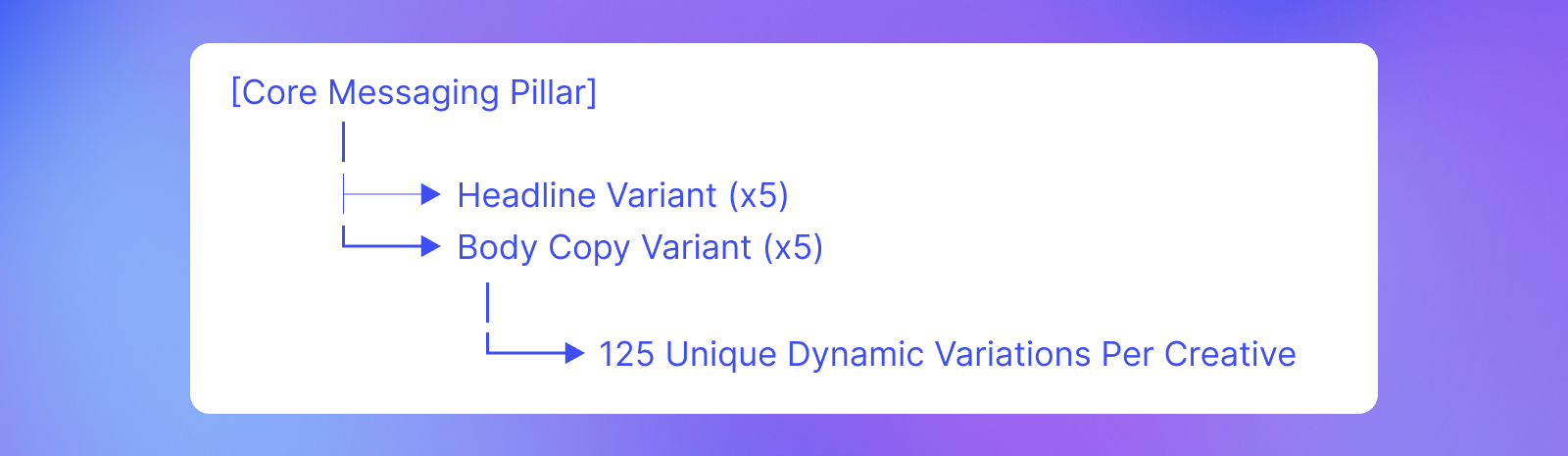
Instead of running a single static billboard ad, run a structured messaging theme analysis to pinpoint the pillars that performed historically well. Feed the algorithm multiple headline and body copy variants per creative asset. Let the machine dynamically pick the exact variation that matches an individual user’s historical real-time behaviour.
A Note on UGC: User-Generated Content remains massively underutilised. Build a library of authentic, relatable product experiences well in advance. Pro-tip: Run your lead-up competitions utilising a photo/video uploading portal with a mandatory marketing consent checkbox. You’ll walk away with a massive, legally cleared repository of highly converting, high-trust UGC assets perfectly primed for Q4 testing.
3. CRO: Maximising Revenue Beyond Changing Button Colors
With customer acquisition costs (CPAs) rising across the board, it is no longer enough to just throw money at paid ads. You must optimise what happens after the click. Deep personalisation and conversion rate optimisation shouldn't be treated as a siloed digital task;they should directly impact your overall business revenue logic.
The Play: High-Impact Funnel Experimentation
True CRO isn't just about UI tweaks; it's about extracting customer insights to solve structural friction points. When prioritising your testing roadmap ahead of BFCM, utilise a structured framework like the RICE model (measuring Reach, Impact, Confidence, and Effort) to figure out exactly what to build first.
Look at the Data (Not Just the Winners)
When experimenting, remember that inconclusive tests or even strategic "losses" are just as valuable as big wins.
For instance, testing a higher shipping rate barrier might yield an inconclusive conversion rate change but generate massive annualized top-line revenue gains. Conversely, identifying a test that hurts conversion rate prevents a costly global site deployment. Validate your UX assumptions with traffic data before committing them to a heavy development pipeline.
The Growth Engine Mindset
Peak retail performance is won through the continuous, compounding effects of velocity and testing. Your content feeds your social ads, your social ads drive traffic to your digital storefront, and your CRO infrastructure ensures that traffic actually converts.
If your internal teams are operating in silos or your current digital roadmap is entirely date-and-emergency-led, it’s time to take a step back and build a unified growth engine.
Ready to uncover the untapped performance potential in your digital ecosystem?
Let’s talk about mapping out a bulletproof digital architecture for the upcoming peak retail season. Check out our full suite of services; from performance marketing and marketing automation to deep CRO experimentation. See how our squad of performance architects, content creators, and growth strategists can lift your baseline.
What does your current roadmap look like for the upcoming peak season; are you already locked into a discounting calendar, or is there room to inject some pre-marketing and database-led plays?






.jpg)
.jpg)
.jpg)
.jpg)




.jpg)