Agencies are the best (and often only) custodians of brand knowledge
10 August 2026
1
min read


Written by
Zoe Goodhardt
Chief marketing officers come and go, but — as Zoe Goodhardt, partner at digital growth consultancy TAG, explains — it’s the creative agencies that stay with a company through growth plans, pivots, and board spills that become keepers of the brand knowledge many businesses rely upon to give a semblance of continuity.
Every few years, a brand gets a new chief marketing officer. Then a new marketing manager. Then a new e-commerce lead.
Each handover comes with a new headshot, an updated bio and an “excited to be joining” Linkedin post. What rarely gets announced is everything that leaves with the person before them.
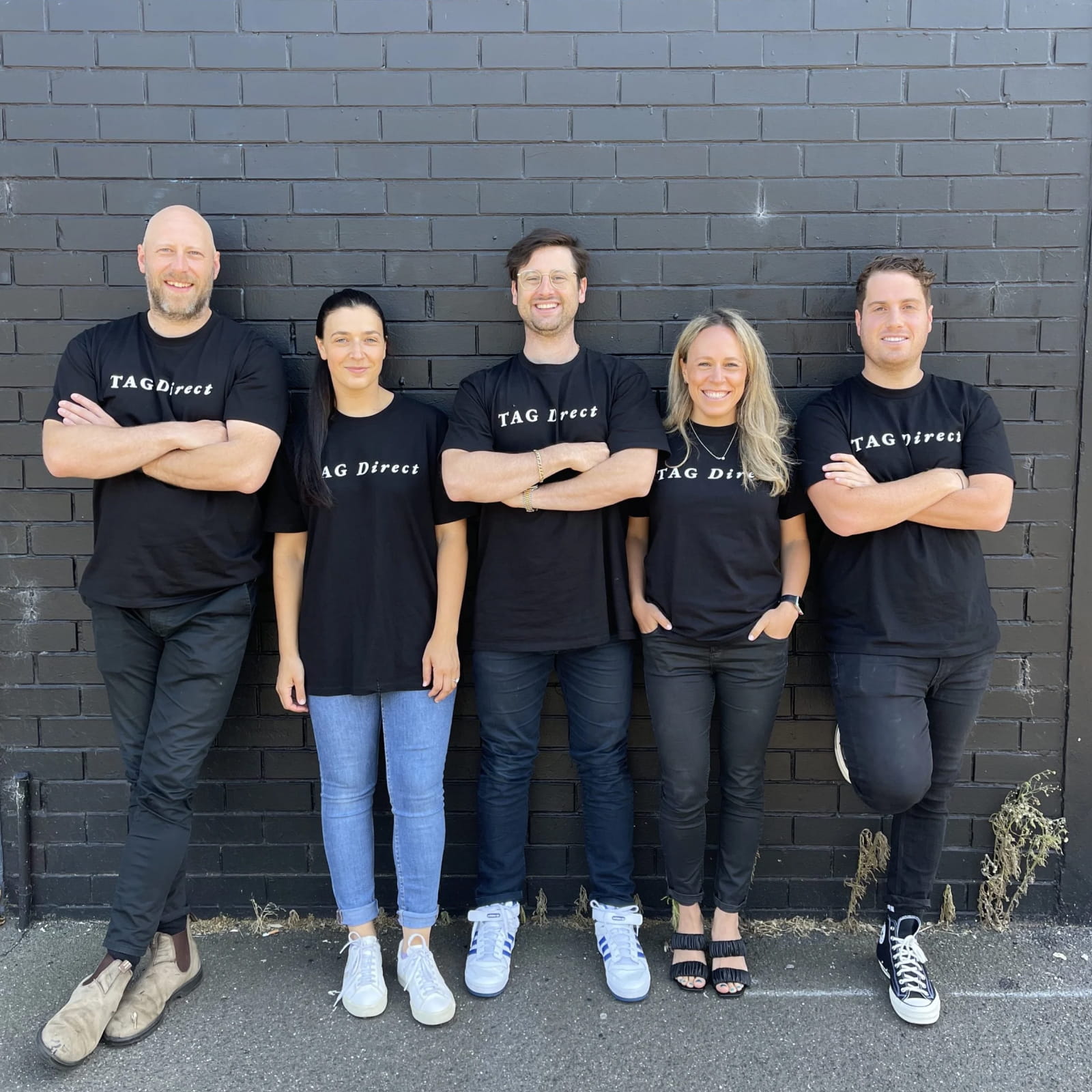
At TAG,we’ve watched dozens of marketers and e-commerce specialists move through our clients’ businesses. People arrive, do good work and eventually move on to their next role. We stay.
Somewhere along the way, without ever planning for it, we’ve become the custodians of our clients’ brand knowledge.
One of the most common things we see, particularly in mid-market businesses, is a new marketer arriving and wanting to leave an immediate, visible mark. They often decide to change the secondary colour, update the typography or commission a new photo shoot.
In my experience, that instinct comes from an anxiety to be seen doing something without taking the time to understand what’s already there.
Before making changes, they should familiarise themselves with the history, the data and why previous decisions were made. But that becomes much harder when the people who shaped the strategy have left.
This is where a good agency can offer something different.
Beyond campaign delivery
The real value of being a brand custodian shows up in the moments nobody plans for. It’s when a founder, director or CEO trusts us enough to have eyes and ears across their business, not because we’re formally retained to do so, but because we’re already there.
When someone exits the business, we’re often among the first to know. We’re able to step in and hold things steady on an interim basis.
In a few cases, we’ve gone further than handover documents. I’ve sat in on interviews for our clients’ in-house marketing roles, not as an observer but as a genuine part of the hiring process. By then, we know their strategy and where the gaps are well enough to help identify the right person for the role. It’s not something people associate with an agency relationship, but that’s exactly the point.
The long game
Agencies are often judged on execution: campaigns, creative, development and media plans. But the real value often sits behind the scenes. It’s continuity.
A brand’s competitive advantage isn’t just its positioning or its latest campaign. It’s the accumulated, often undocumented knowledge of what’s been learnt about its category and customers. When that knowledge resets every time a role changes hands, clients lose time and momentum.
We’re often the one constant while the client-side team changes around us. Instead of relying on handovers or hindsight, we’ve seen the decisions unfold in real time. That context becomes more valuable with every leadership change.
Rethinking agency measurement
So, what should agencies actually be measured on? Campaign performance is necessary, but it’s not the whole story. If every person on the client side left tomorrow, would their strategy survive? For most brands, the honest answer is no.
That’s where the right agency can make all the difference.
Twelve years in, the relationships I’m proudest of aren’t the ones with the best campaign results. They’re the ones where we’ve outlasted three or four internal teams and helped the business keep moving forward.
This article first appeared on Mumbrella.





.jpg)
.jpg)
.jpg)
.jpg)
.jpg)



.jpg)